Mexico
Zinacantán
Chiapas · Mexico
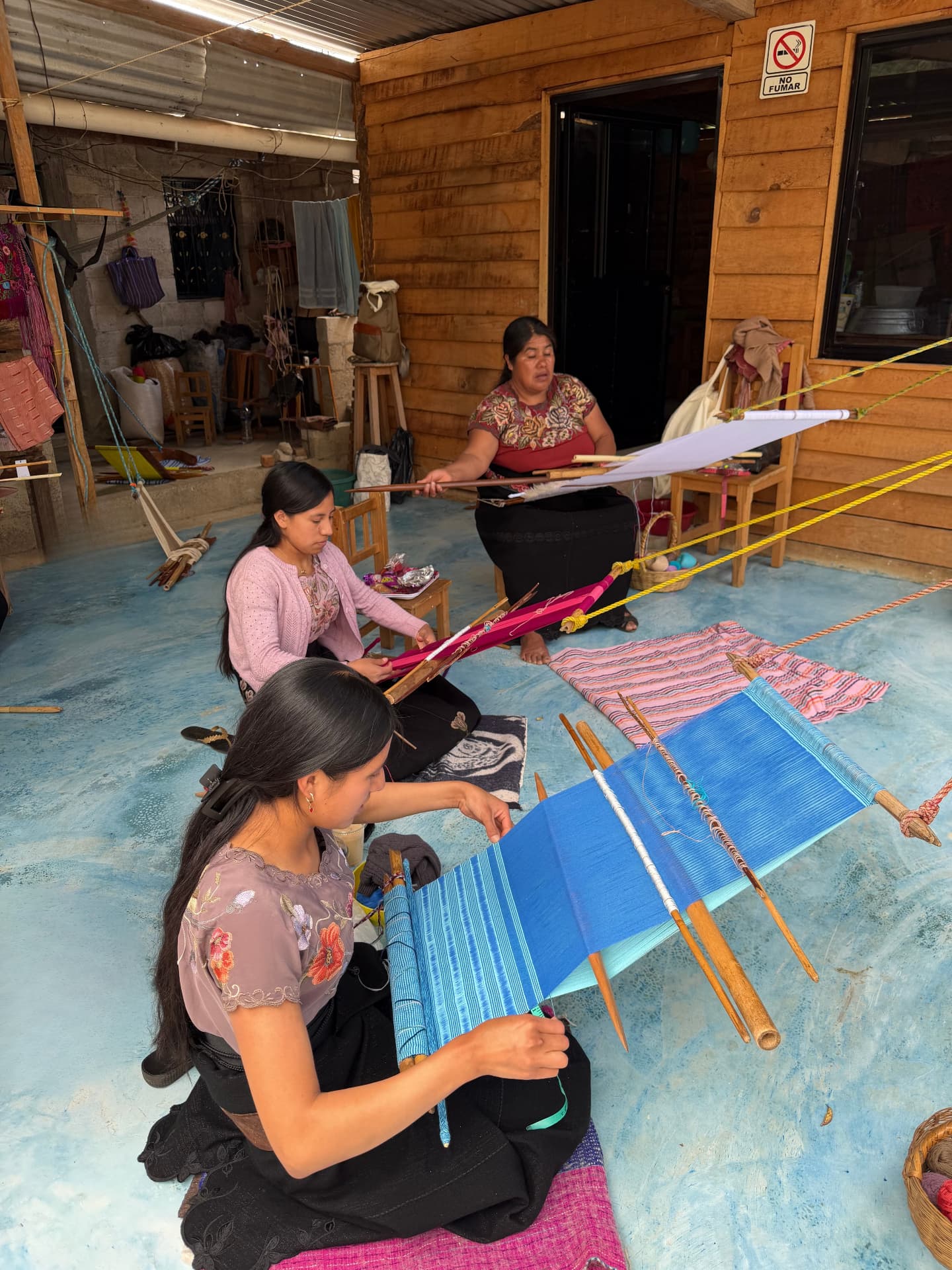
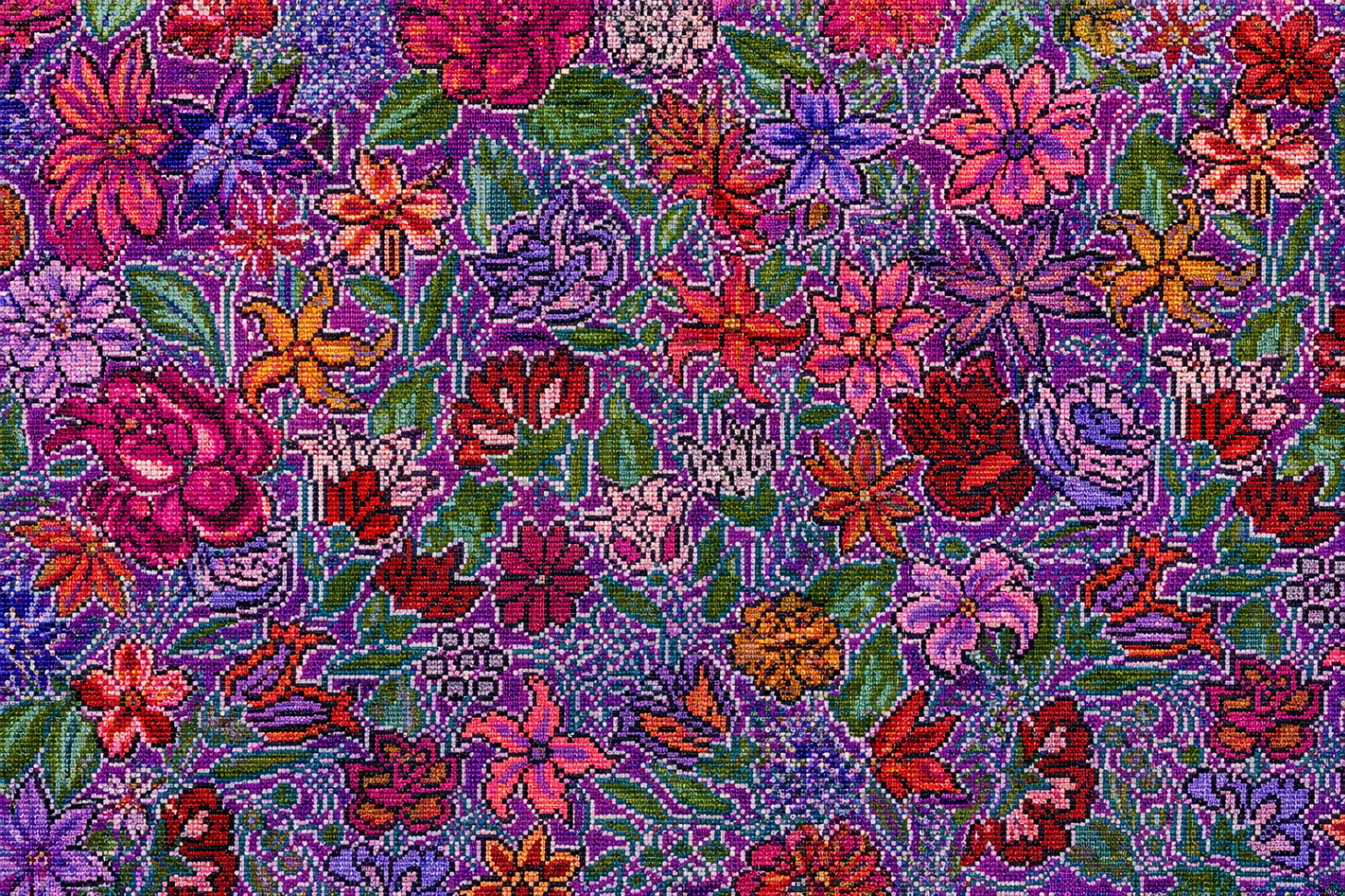
Zinacantán huipiles are known for vivid flowers inspired by the community's thriving floriculture. Brilliant pinks, magentas, and purples have evolved from earlier darker blue and black cloth. Backstrap-loom weaving is enriched with supplementary-weft brocade and detailed embroidery. The garments form a living expression of Tsotsil Maya identity and the surrounding landscape.
Mexico
Magdalenas, Aldama
Chiapas · Mexico
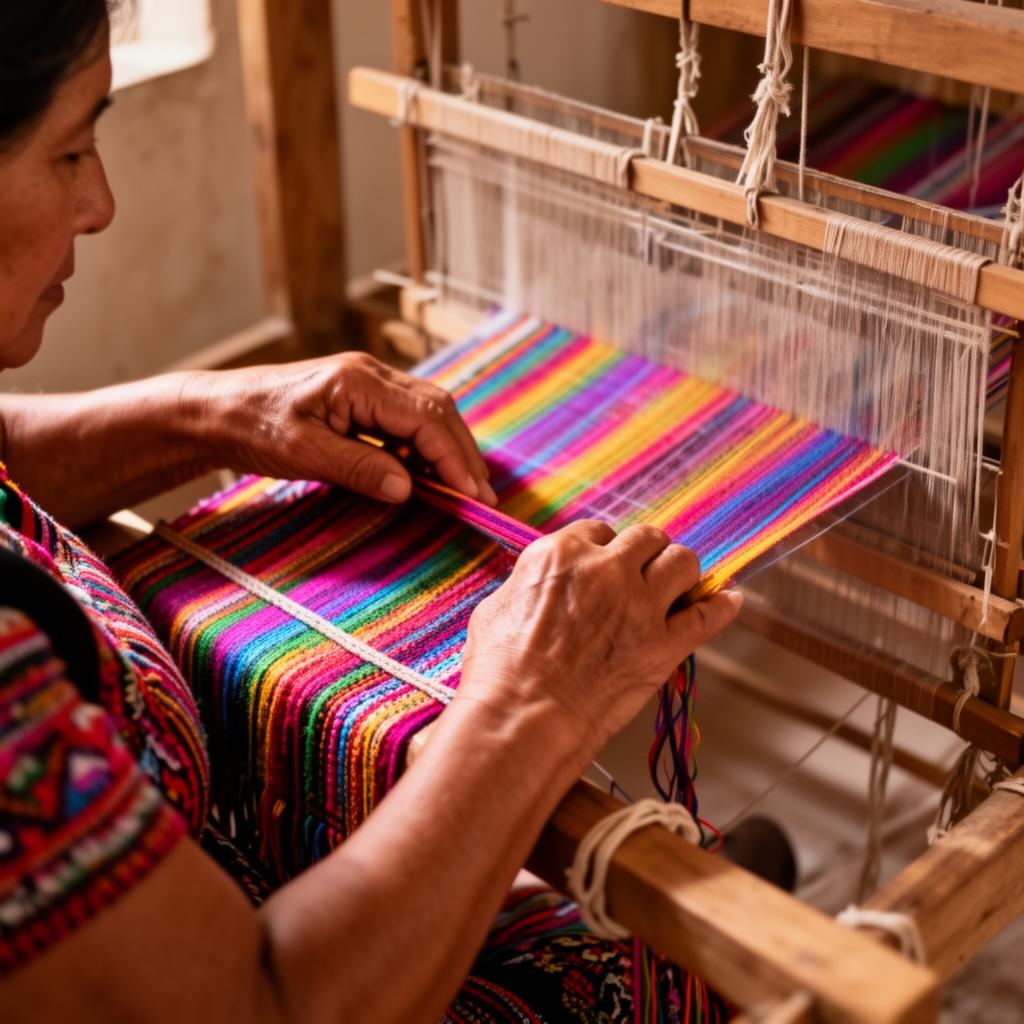
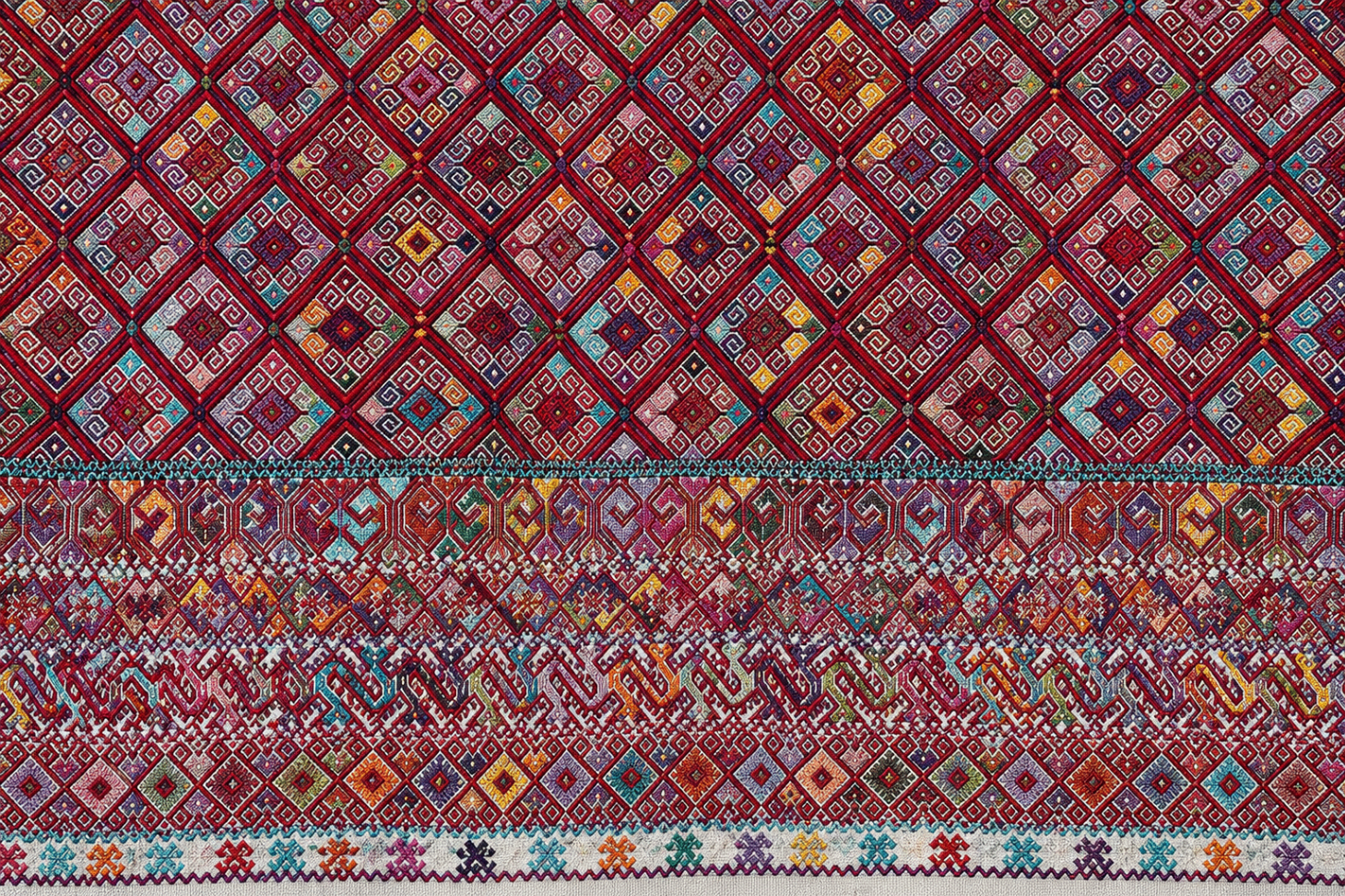
Magdalenas textiles are distinguished by dense red brocade and the muk ta luch, a diamond-shaped design of the universe. Frogs, corn plants, butterflies, and other figures connect the cloth to rain, fertility, and Maya cosmology. Weavers count warp threads on the backstrap loom to build each symbol directly into the fabric. Ceremonial huipiles can require many months of work and communicate community identity, rank, and occasion.
Mexico
San Andrés Larráinzar
Chiapas · Mexico
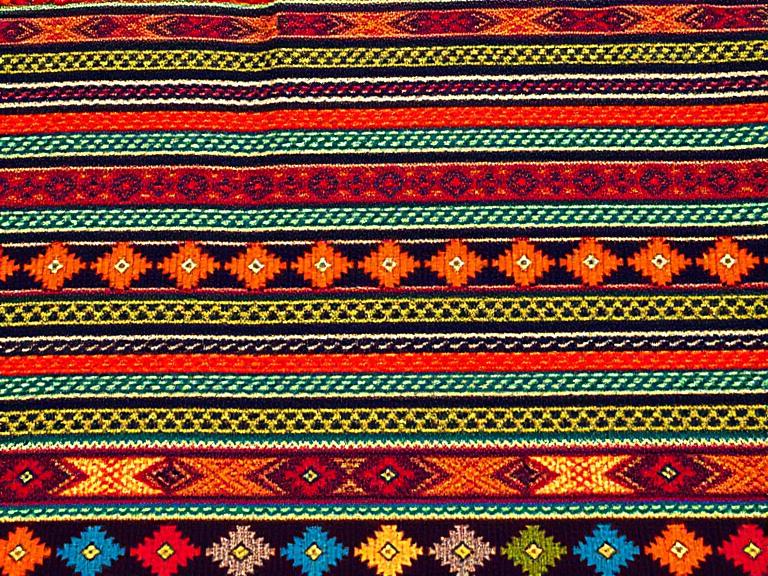
San Andrés Larráinzar is celebrated for intricate geometric brocade in vibrant colors. Rhombuses mark the cardinal directions and time, while figures such as the Holy Mother and the toad evoke spirituality, fertile land, and harvest. Cotton threads are carefully counted and woven on a backstrap loom, sometimes using dyes drawn from local plants. These textiles preserve Tsotsil Maya stories through a practice passed from one generation of weavers to the next.
Mexico
Pantelhó
Chiapas · Mexico
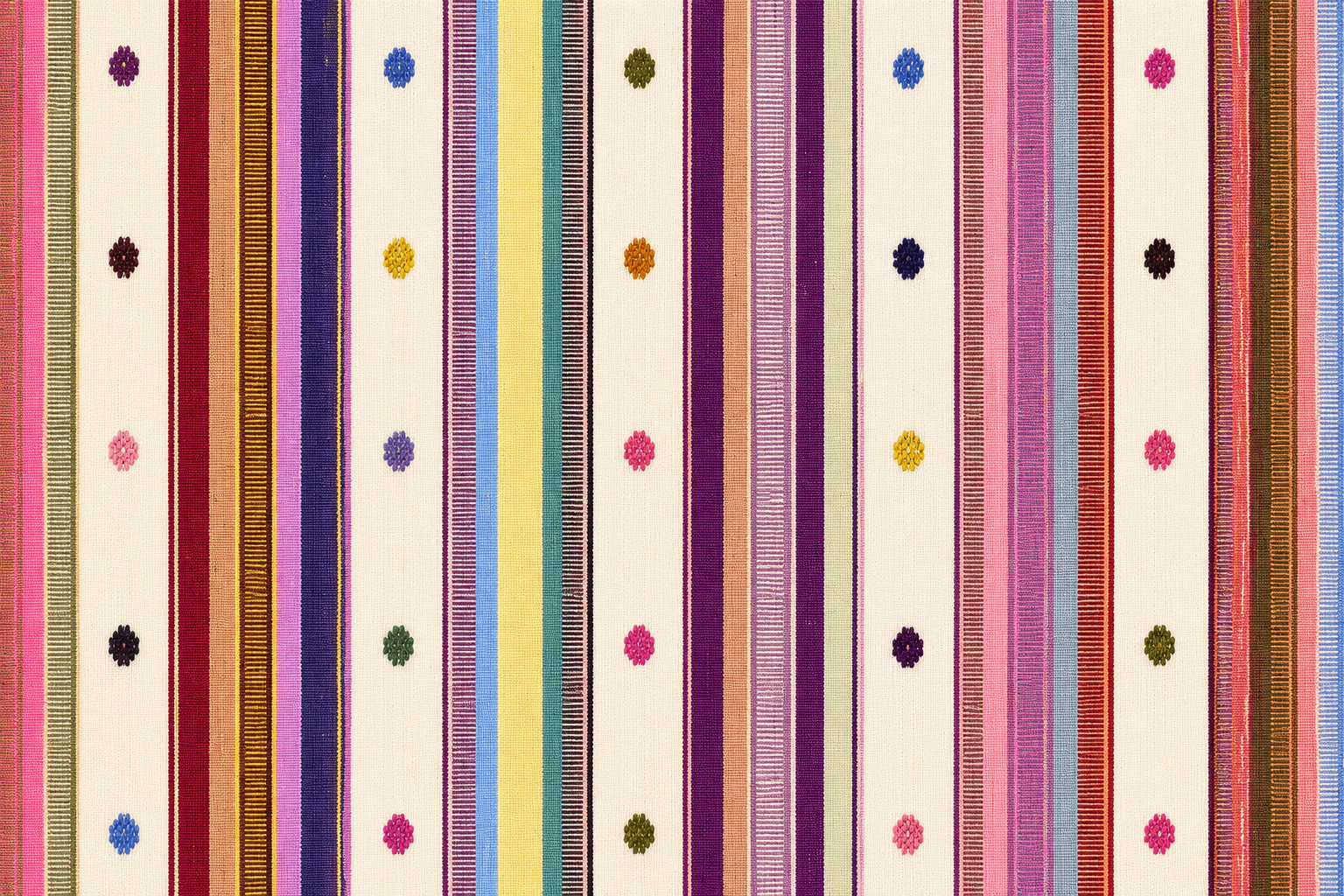
Pantelhó is a municipality in the Chiapas highlands where Tsotsil and Tseltal Maya communities have long cultivated cotton, spinning and weaving cloth for daily and ceremonial life. The region's huipiles are distinguished by marked vertical lines and densely packed geometric brocade that creates highly structured, visually striking compositions. Artisans work on the backstrap loom, counting warp threads to build traditional designs that communicate community identity and the wearer's place within it. The textiles of Pantelhó embody a living heritage where every panel preserves centuries of Maya knowledge, skill, and cultural continuity.

Mexico
San Felipe Jalapa de Díaz
Oaxaca · Mexico
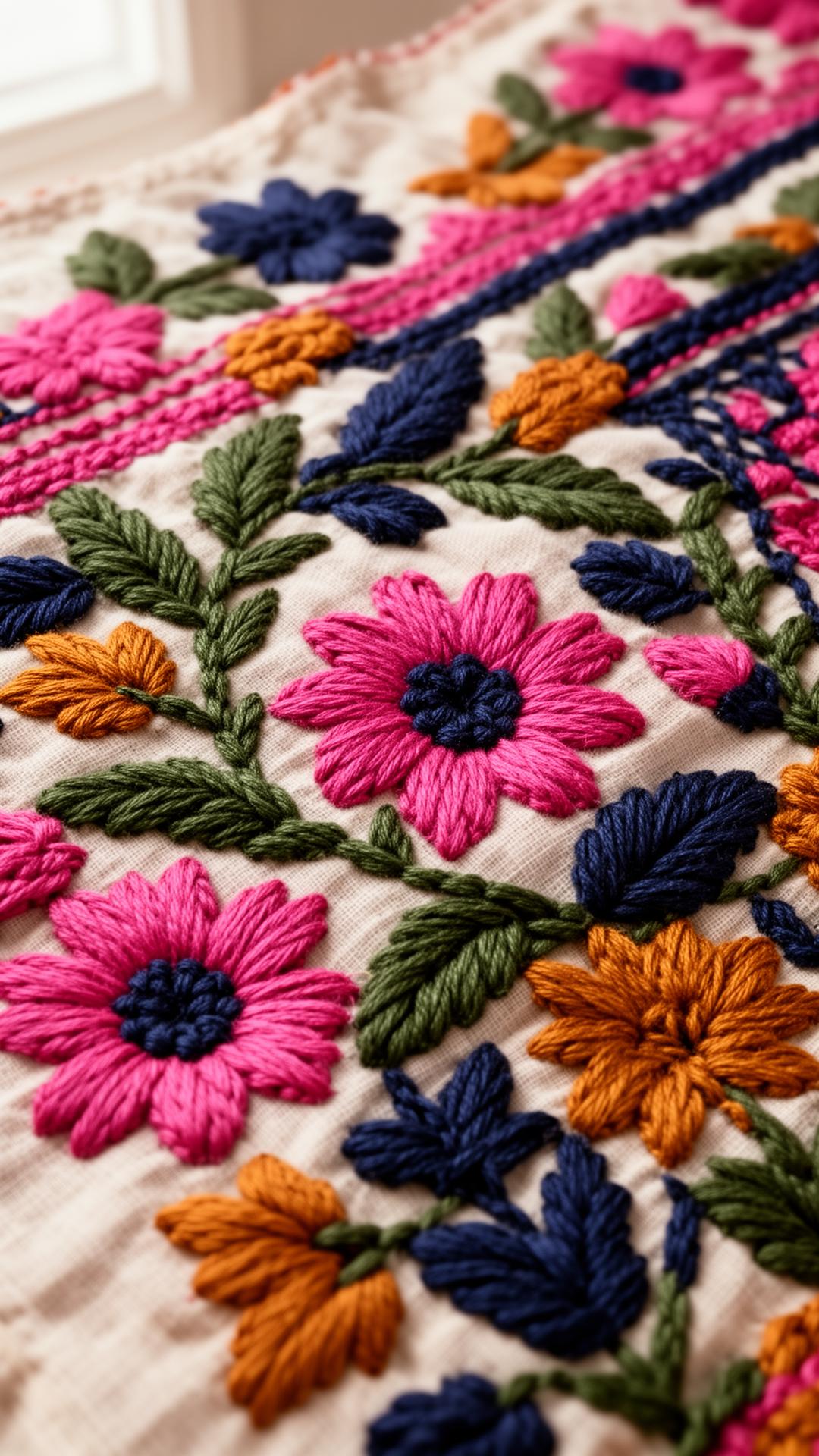
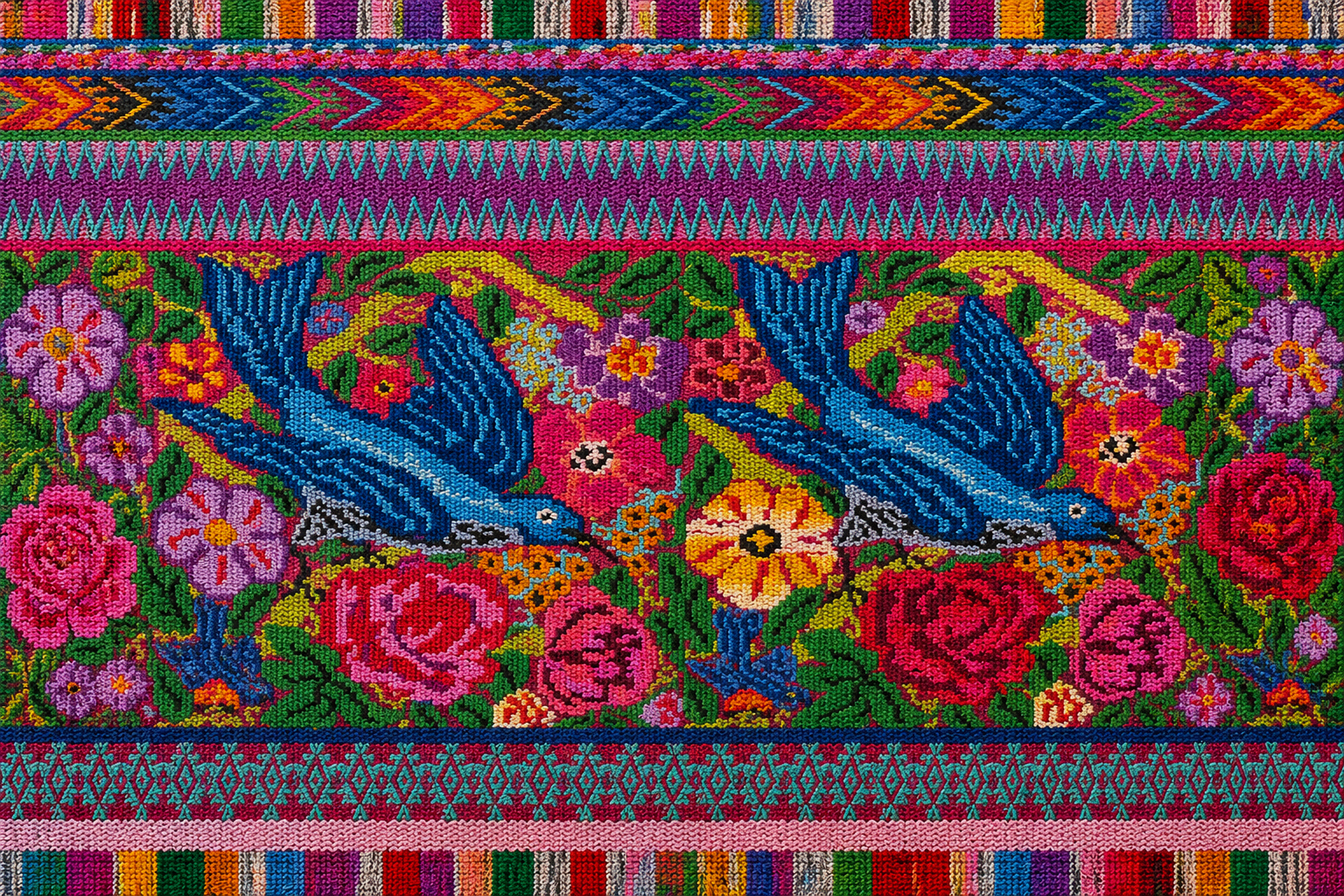
Mazatec huipiles from San Felipe Jalapa de Díaz feature birds and flowers embroidered in bold, contrasting colors. Their composition is organized in bright horizontal bands separated by artisela ribbon and delicate lace. The garment combines backstrap-loom cloth, embroidery, ribbon, and carefully joined panels. This unmistakable structure makes the huipil an enduring emblem of Mazatec identity in the Papaloapan region.
Guatemala
Chichicastenango
El Quiché · Guatemala
Chichicastenango huipiles are often identified by sunlike embroidery radiating around the neckline. Brocaded mountains, waves, flowers, and four-direction designs map a sacred landscape across the cloth. K'iche' Maya weavers create fitted panels on the backstrap loom using cotton and supplementary-weft patterning in rich reds, purples, and pinks. The finished garment communicates community, cultural identity, and the wearer's relationship to the natural and spiritual worlds.
Mexico
Oxchuc
Chiapas · Mexico
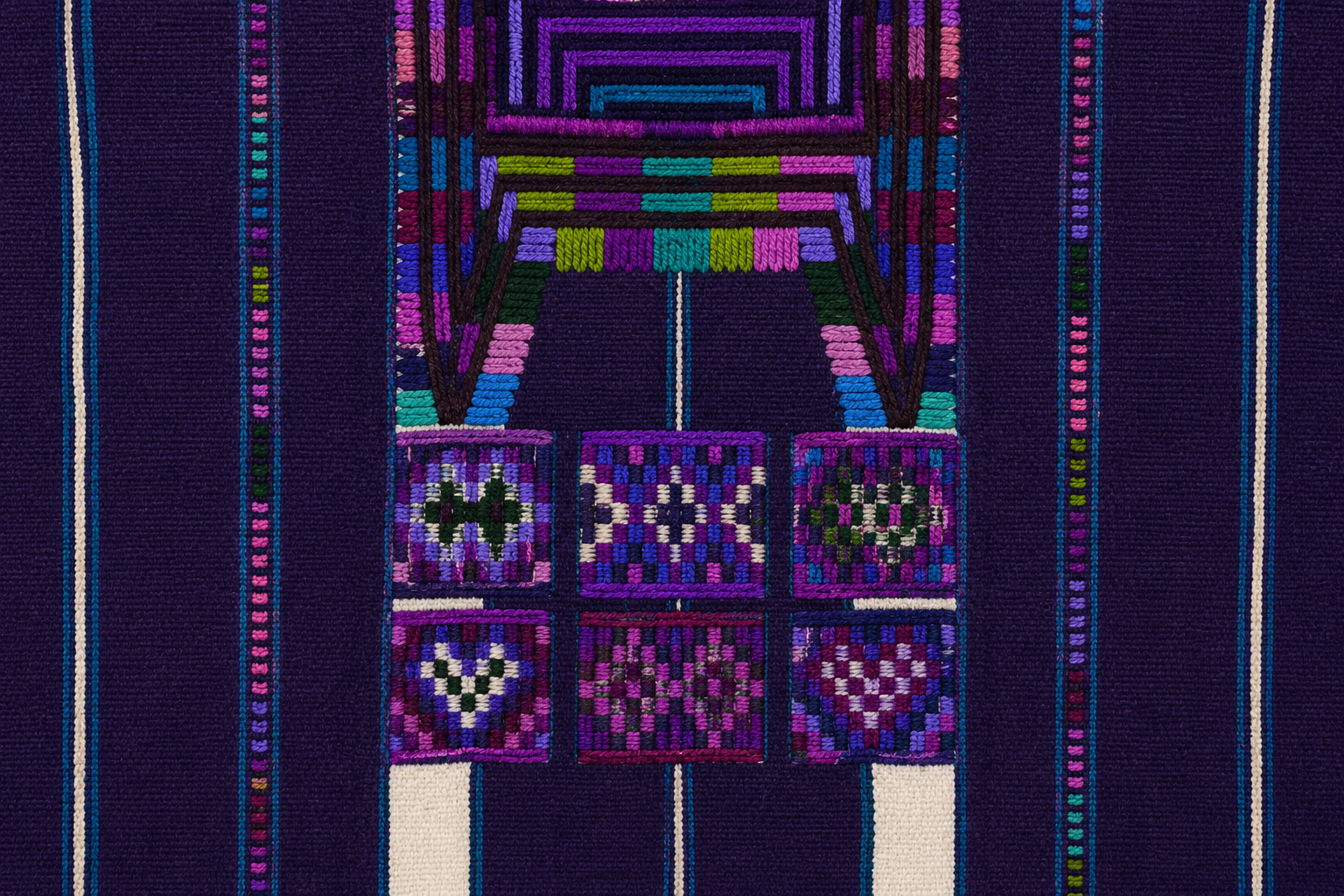
Oxchuc is a Tzeltal Maya municipality in the Chiapas highlands where traditional clothing remains an enduring expression of community identity. The region's huipiles are distinguished by a deep purple or black ground densely worked with supplementary-weft brocade in vivid magenta, turquoise, and green. Geometric stepped designs, diamonds, and symbolic motifs are counted thread by thread on the backstrap loom, creating highly structured panels that communicate the wearer's social and ceremonial place. Each garment is a meticulous act of cultural preservation, linking the weaver to generations of Tzeltal women who have maintained this distinctive visual language.